In the far north of Xinjiang, where China meets the vast frontiers of Kazakhstan, Mongolia, and Russia, the landscape changes with every bend of the Kanas River. Crystal-clear water, endless forests and endless grasslands create a sense of stillness that is difficult to describe. It was one of those rare places where photographing no longer felt like documenting a landscape, but simply becoming part of it for a brief moment.
Besides nature, people also seem untouched. Untouched by commercial greed, the relentless pace of modern life, and the constant pursuit of more.
There is a quiet sincerity in the way they welcome strangers, a calmness shaped by living close to the land rather than apart from it. It reminded me that true wealth is often found not in what people own, but in the rhythm with which they live and the kindness they extend to others.
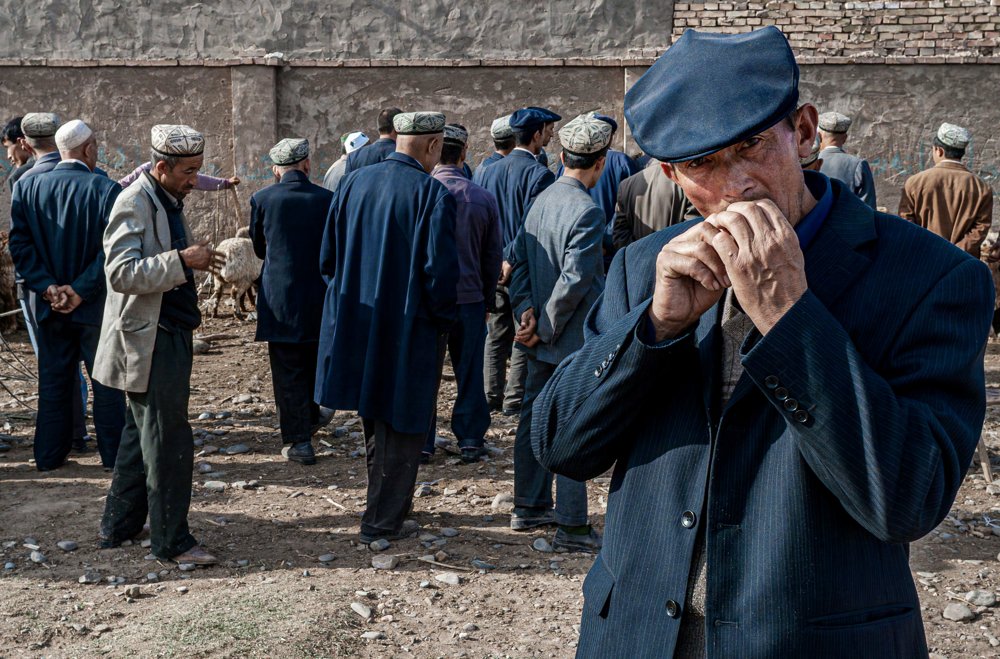 TOBACCO TIME. LIVESTOCK MARKET, KASHGAR
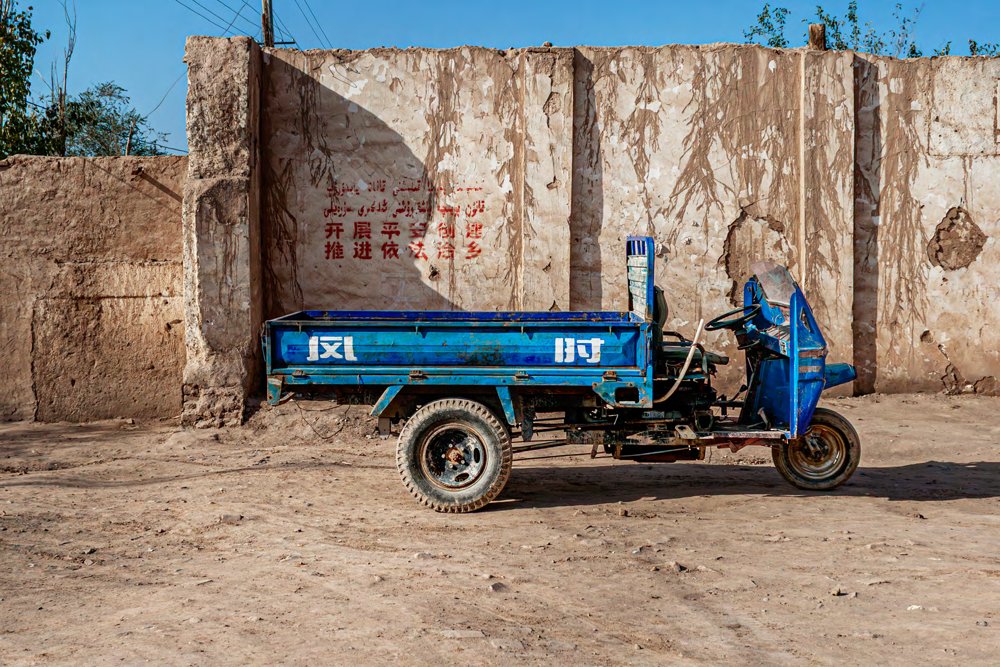 ENDLESS MILAGE. OLD TOWN, KASHGAR
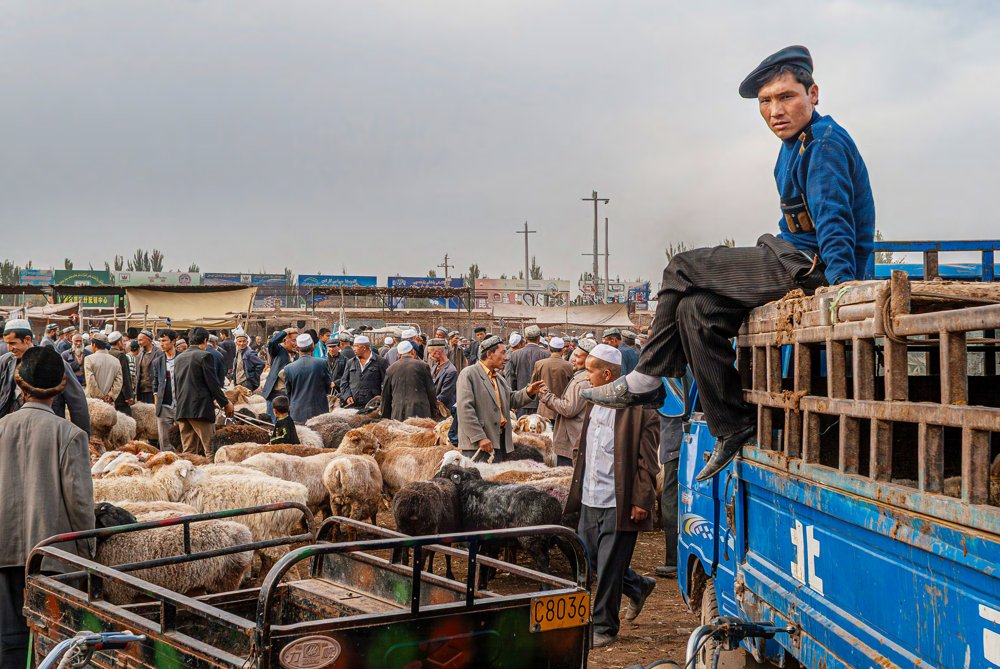 PATIENT DAY. LIVESTOCK MARKET, KASHGAR
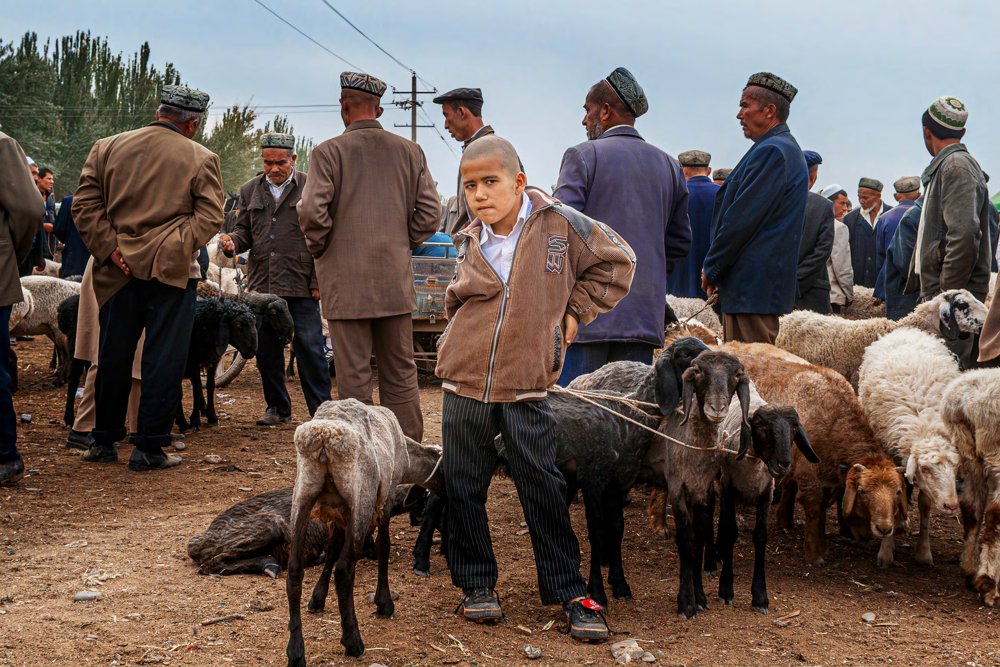 FIRST FIVE. LIVESTOCK MARKET, KASHGAR
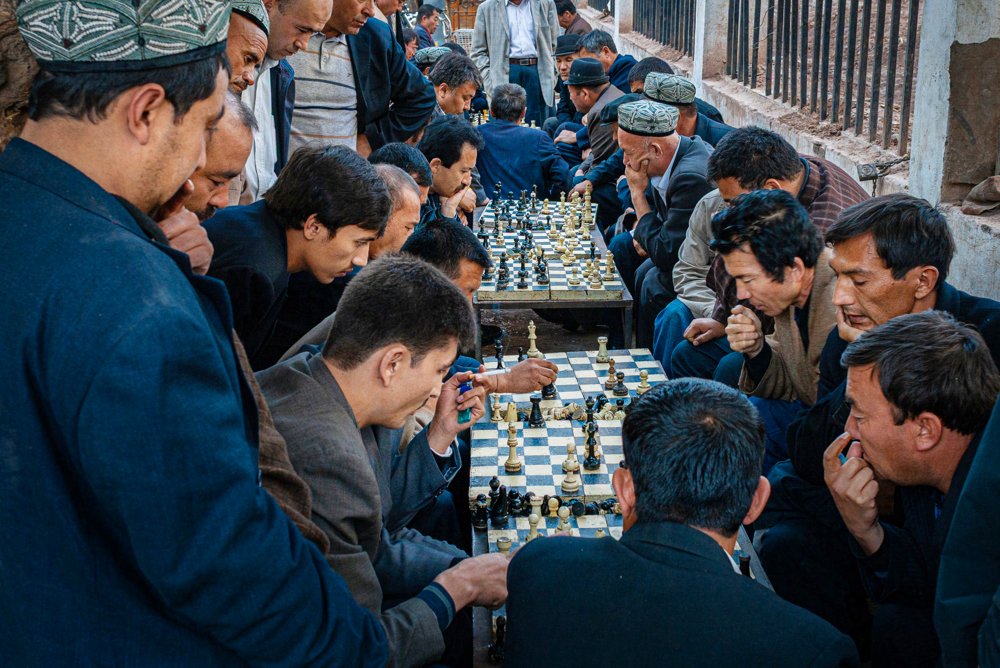 THE QUEEN. OLD TOWN, KASHGAR
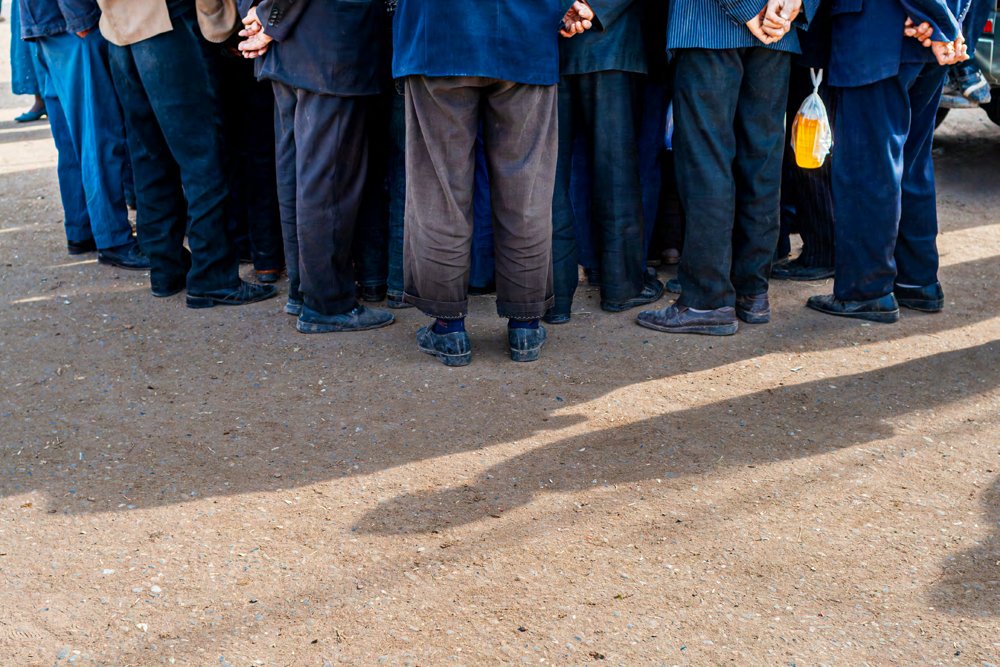 SYMETRY. OLD TOWN, KASHGAR
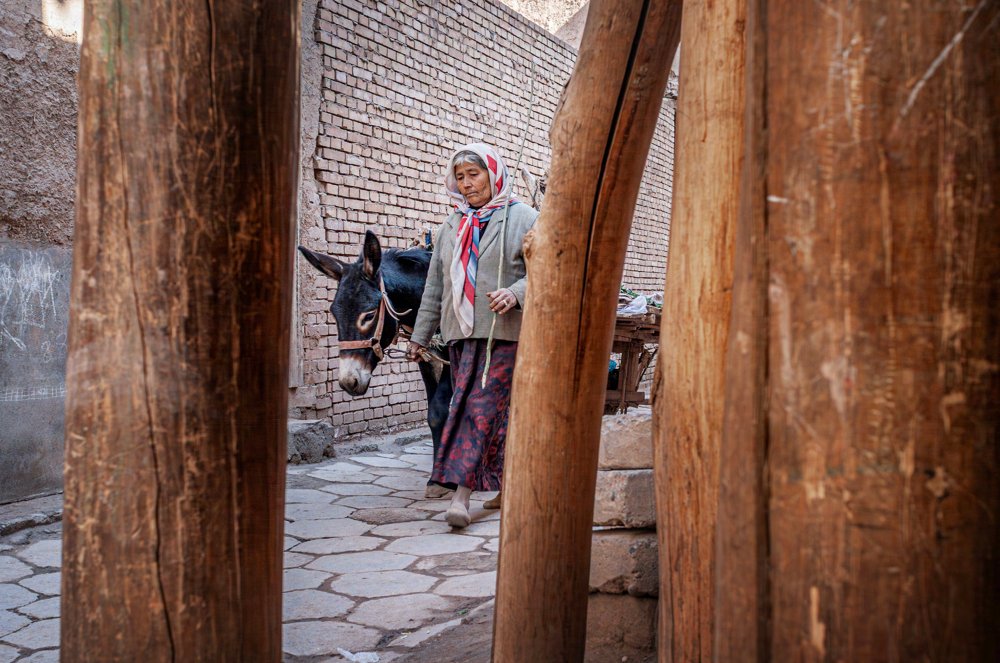 THE EVERDAY PATH. OLD TOWN, KASHGAR
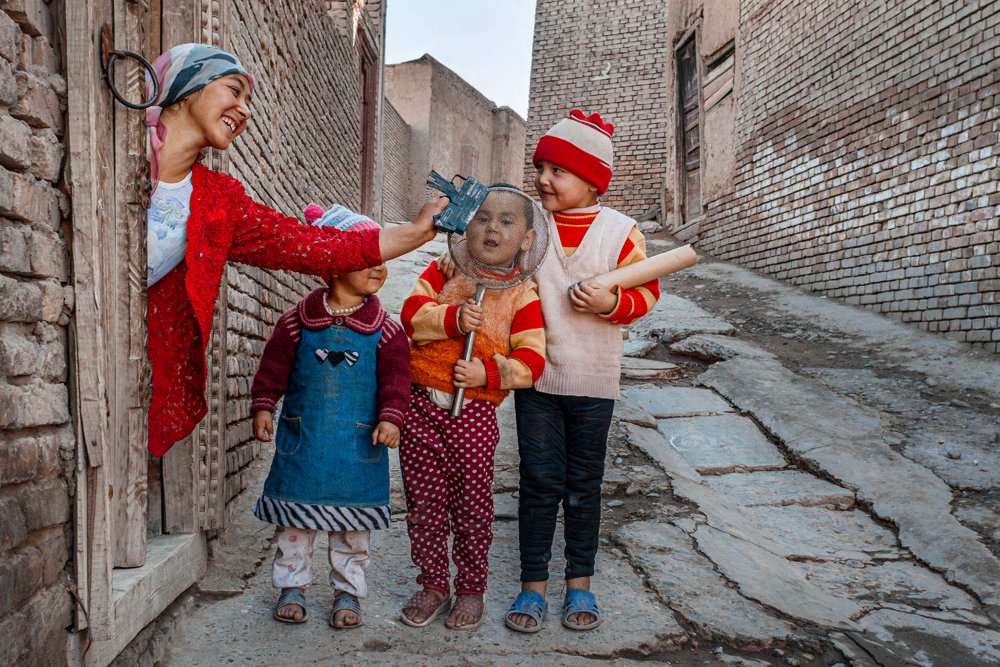 NO TOYS. OLD TOWN, KASHGAR
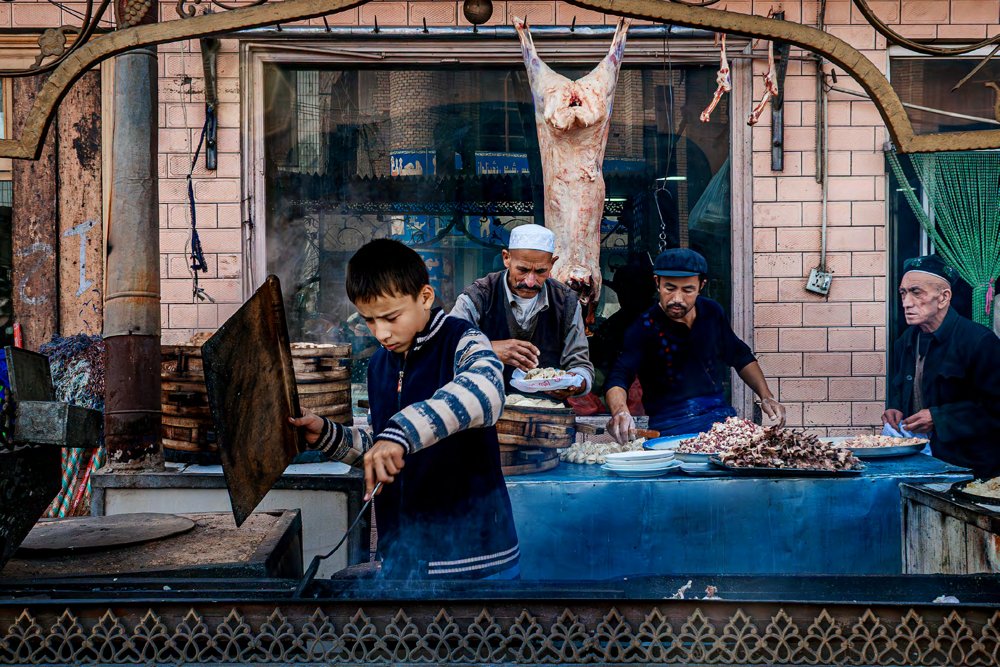 BORN INTO TRADITION. OLD TOWN, KASHGAR
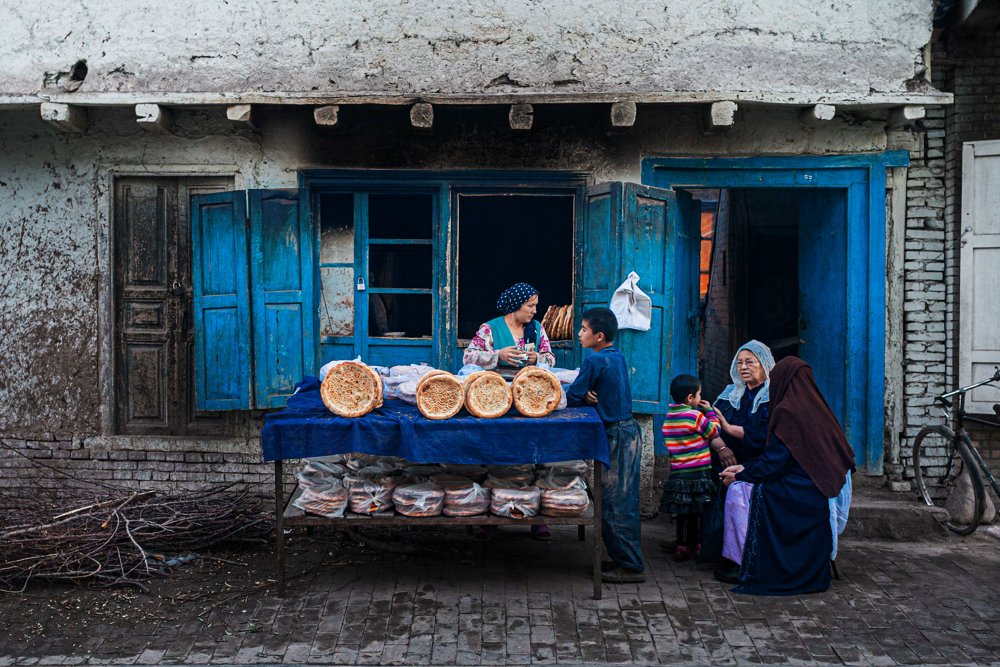 BLUE BAKERY. OLD TOWN, KASHGAR
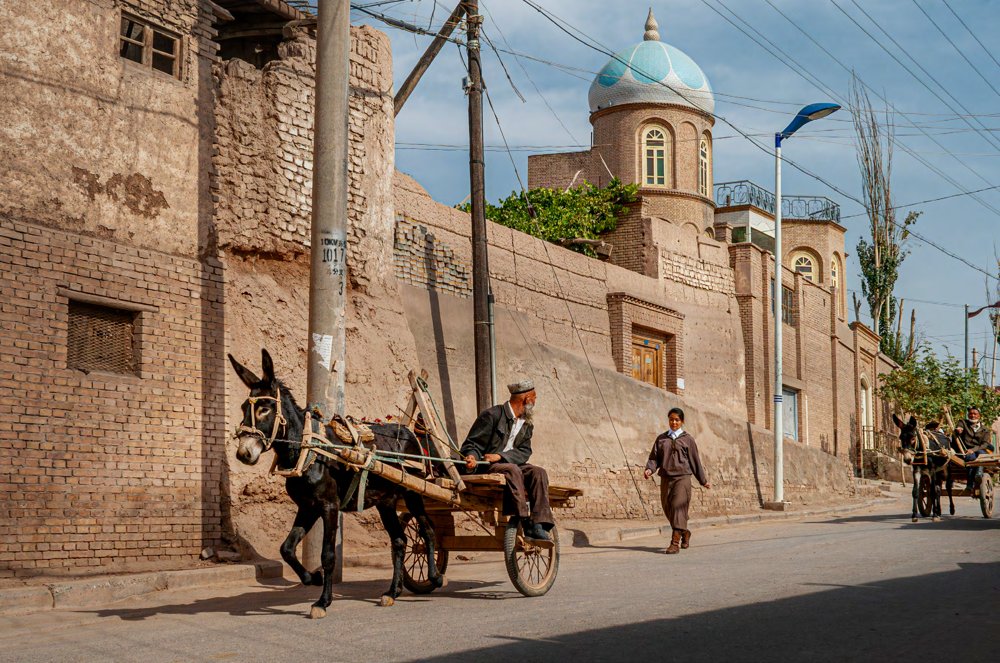 ANOTHER ROAD. OLD TOWN, KASHGAR
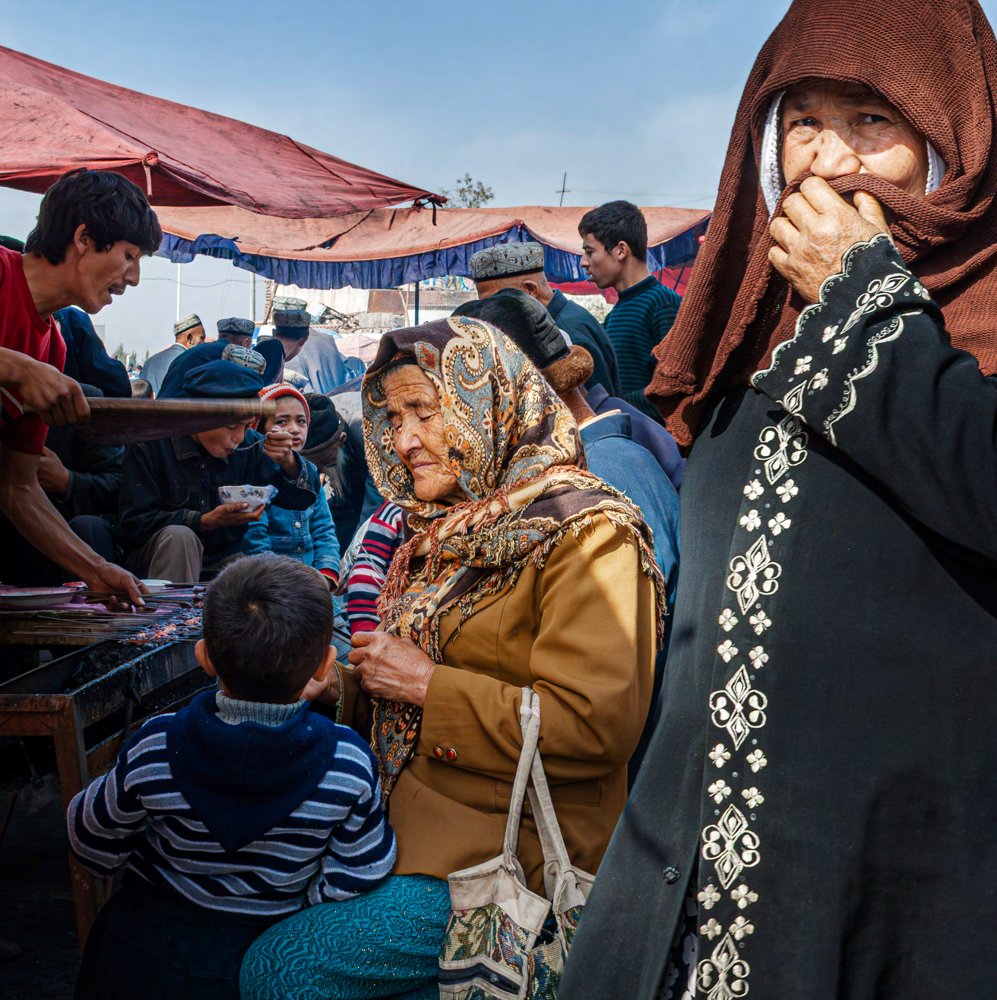 GENERATION. FOOD MARKET, KASHGAR
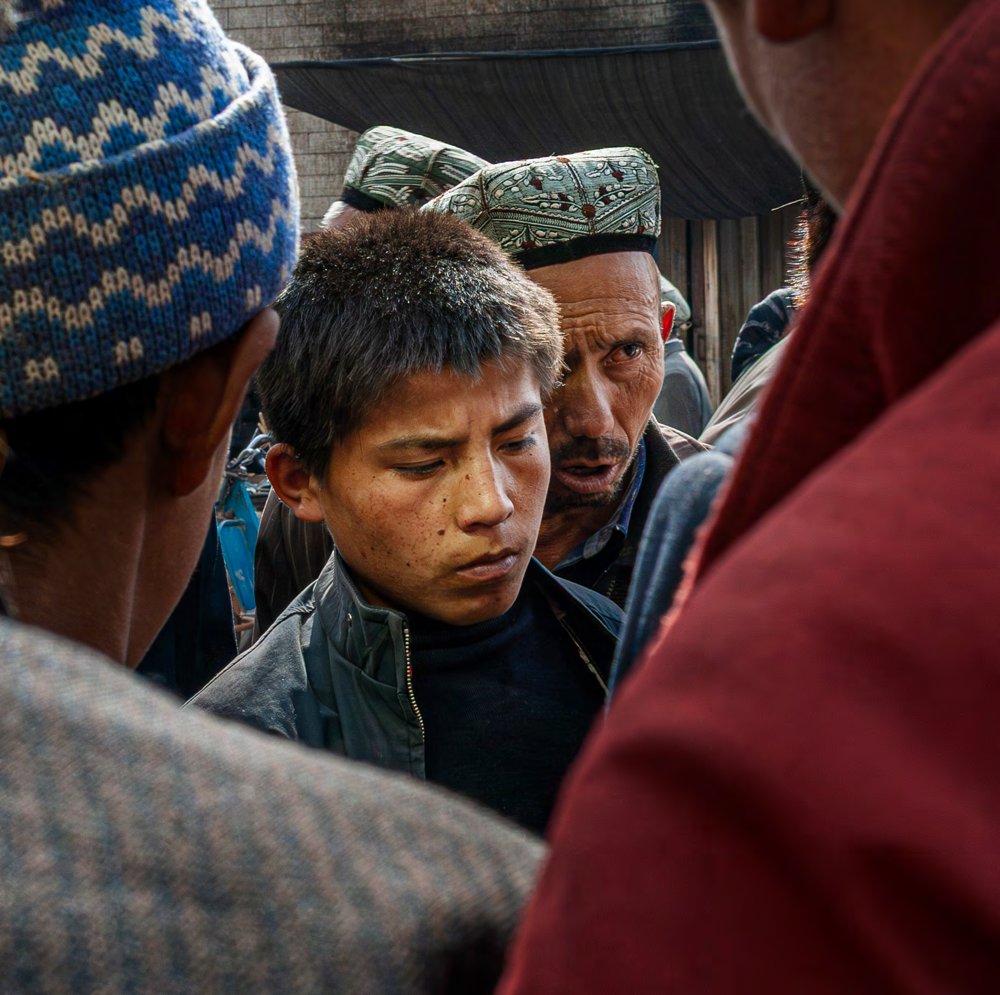 ANIMAL EVALUATION. LIVESTOCK MARKET, KASHGAR
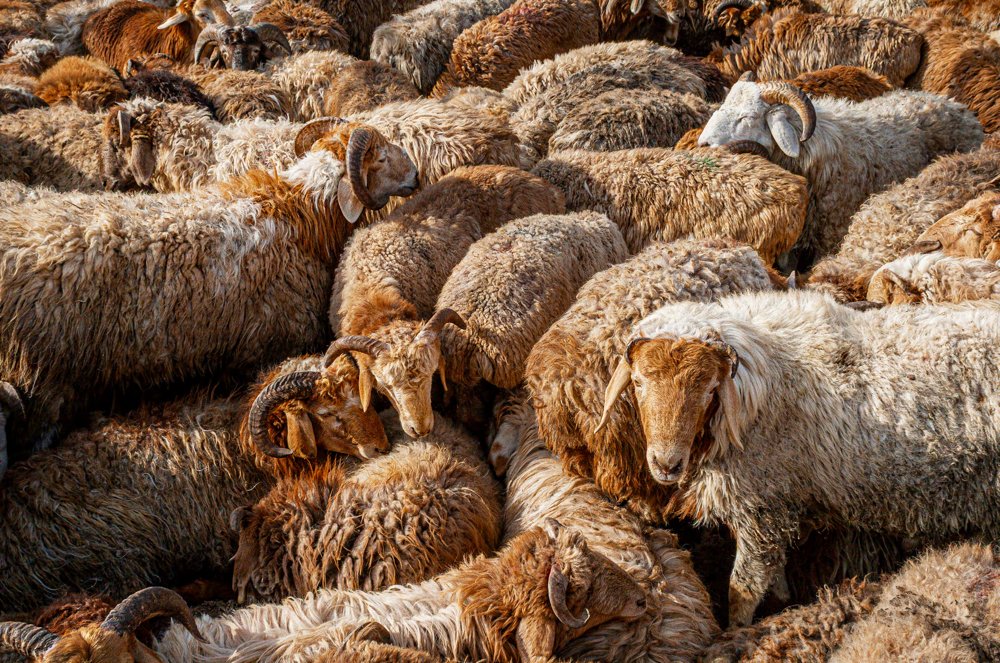 BOSH BOSH. LIVESTOCK MARKET, KASHGAR
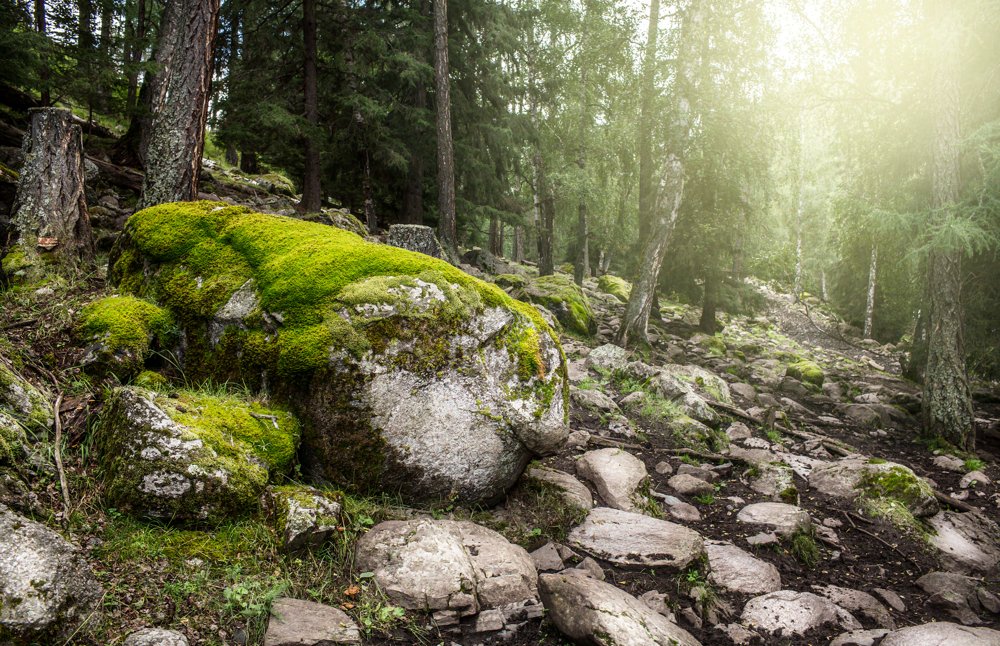 FOREST MAGIC. ALTAY PREFECTURE, KANAS LAKE, NORTH XINJIANG
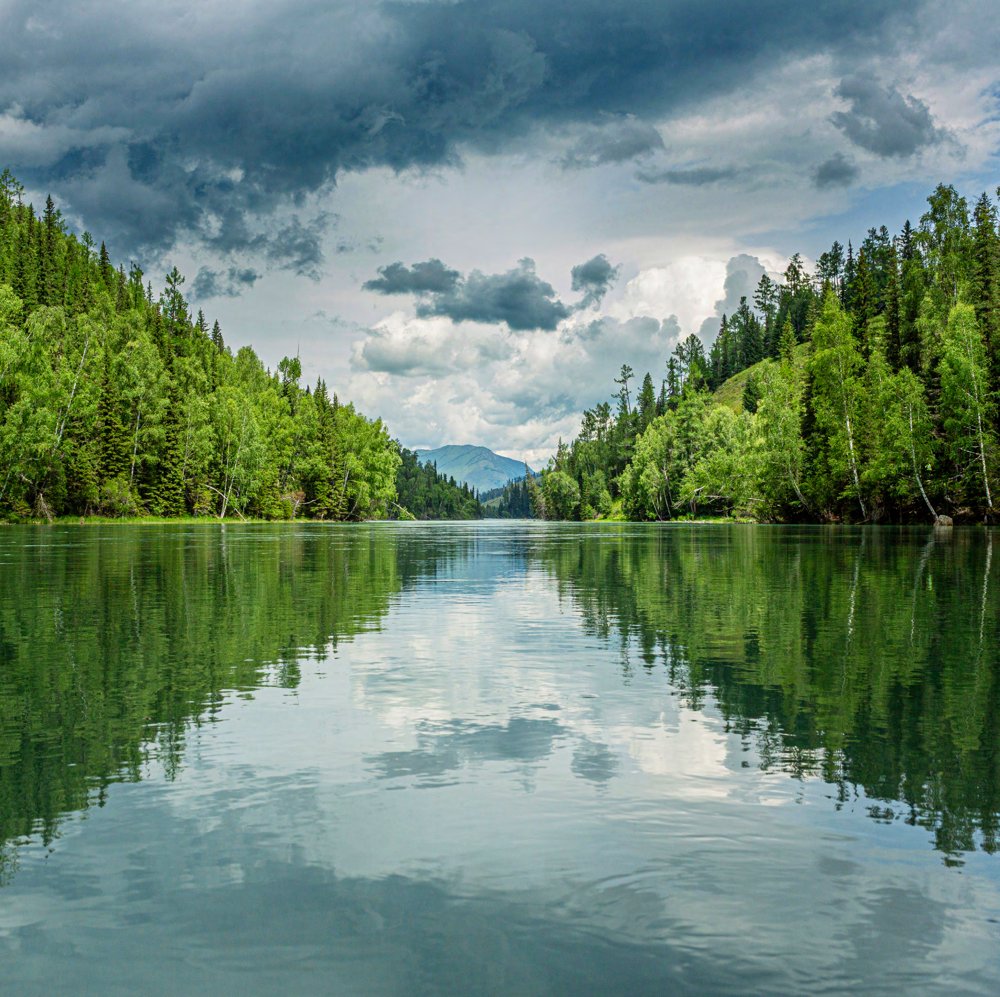 KANAS RIVER. ALTAY PREFECTURE, NORTH XINJIANG
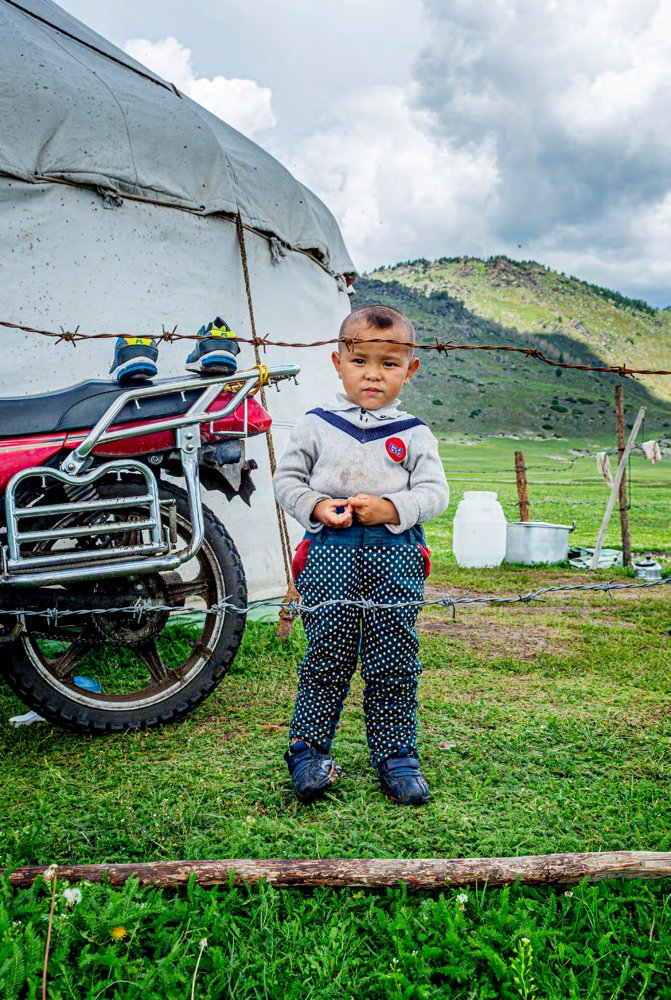 NOMAD LIFE. ALTAY PREFECTURE, NORTH XINJIANG
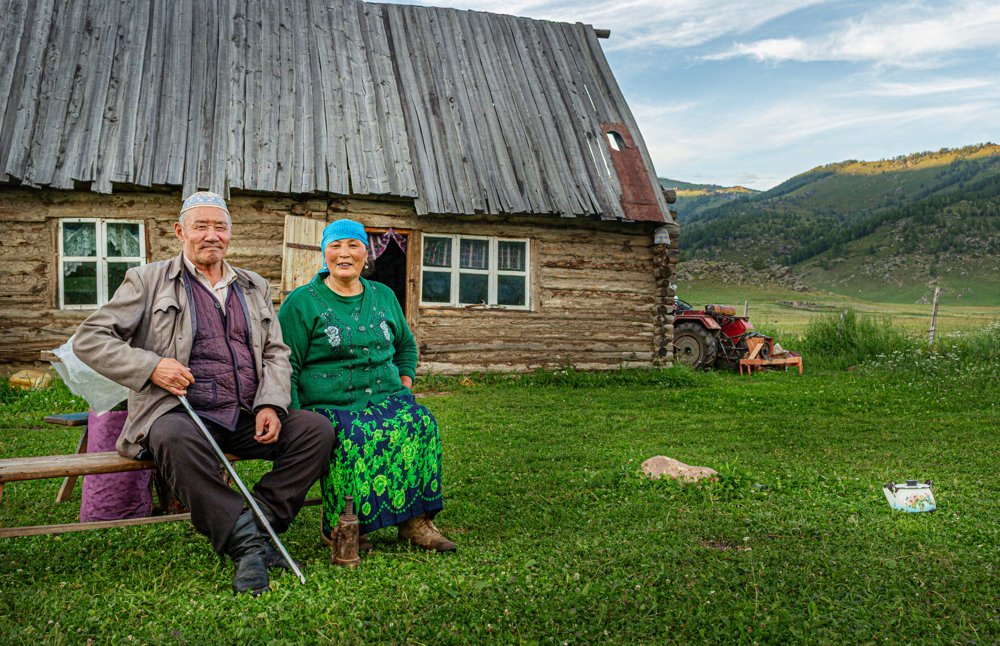 THE BOND. ALTAY PREFECTURE, NORTH XINJIANG
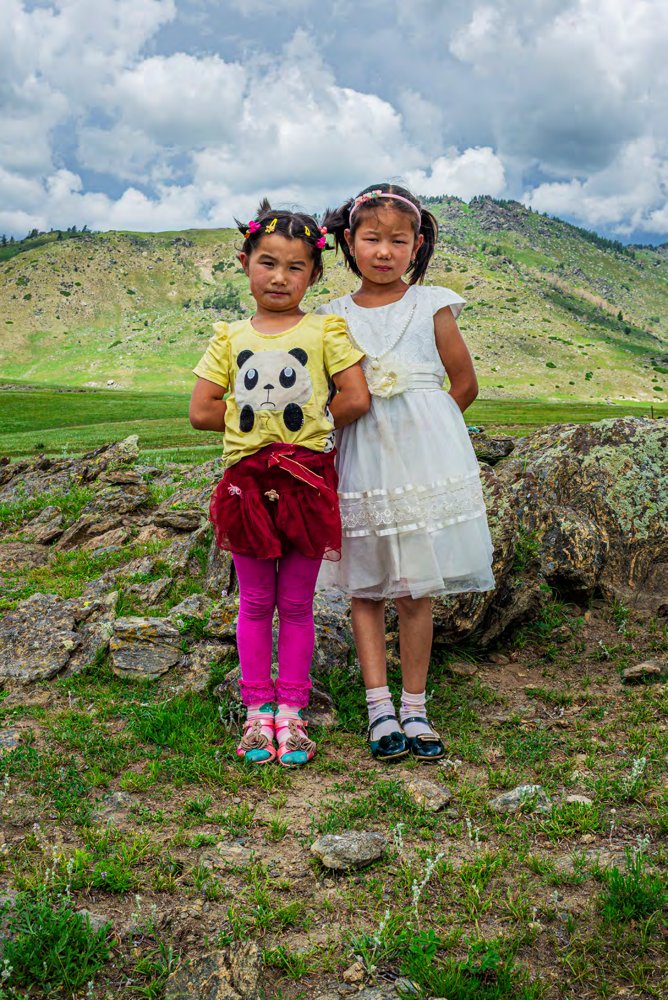 BESTIES. ALTAY PREFECTURE, KANAS LAKE, NORTH XINJIANG
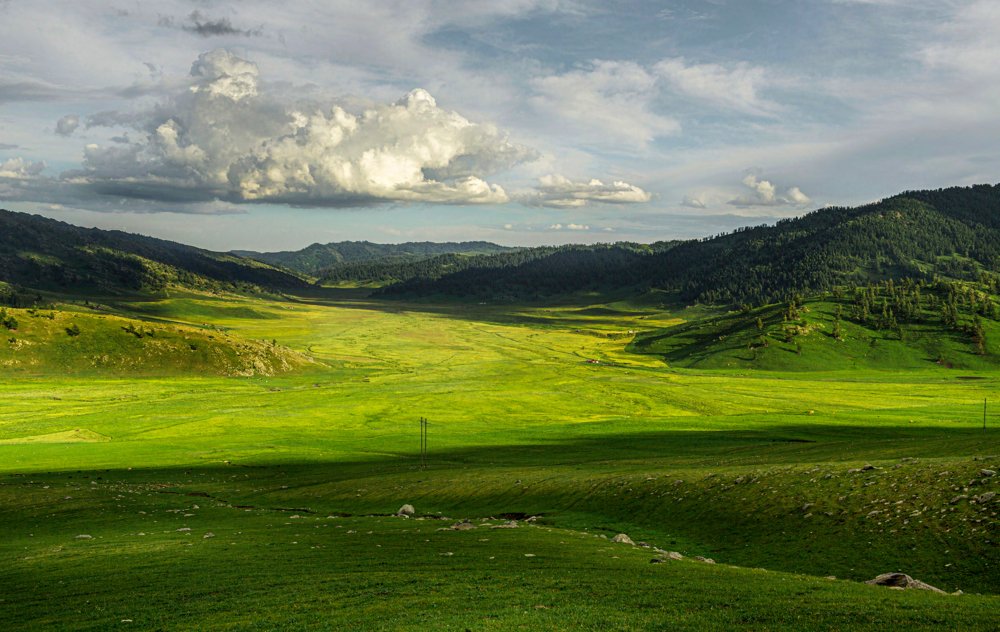 THE END OF THE WORLD. ALTAY PREFECTURE, NORTH XINJIANG